
Tree Planting And Maintenance For A Greener Rwanda
Restoring nature through responsible tree planting, forest conservation and sustainable environmental solutions.
The Importance Of Tree Planting
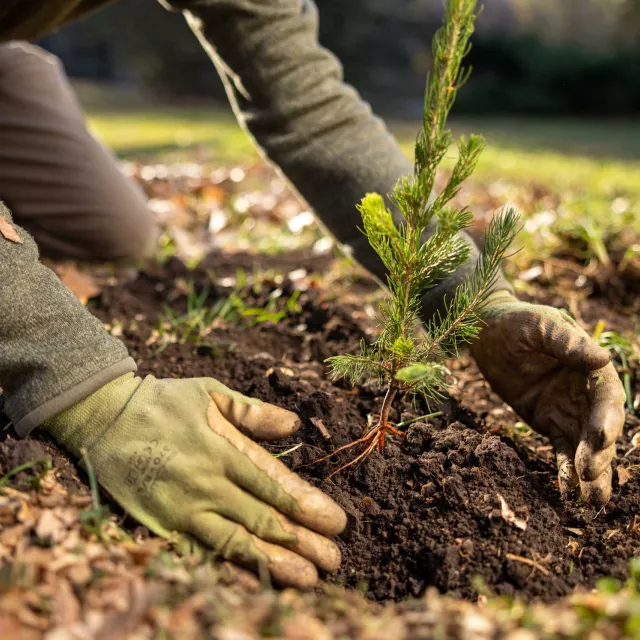
Trees are one of the most important solutions for protecting the environment, improving landscapes and supporting sustainable development.
In Rwanda, tree planting contributes to soil protection, climate change adaptation, biodiversity conservation and improved livelihoods for communities.
However, planting trees is only the first step. Proper maintenance after planting determines whether trees survive and achieve their environmental impact.
The Hero Roots Approach
We combine quality seedlings, proper planting techniques and long-term tree care practices to create successful restoration projects.
Why Tree Planting Matters
Tree planting creates environmental, economic and social benefits for Rwanda's future generations.
Climate Action
Trees absorb carbon dioxide and help reduce the effects of climate change.
Soil Protection
Tree roots reduce erosion and protect agricultural land from degradation.
Water Conservation
Trees improve water cycles and support healthier ecosystems.
Biodiversity Protection
Planting different tree species creates habitats for wildlife and improves ecosystem balance.
Sustainable Farming
Trees integrated with agriculture improve productivity through agroforestry.
Community Development
Tree planting creates opportunities for communities through environmental projects.
Professional Tree Planting Process
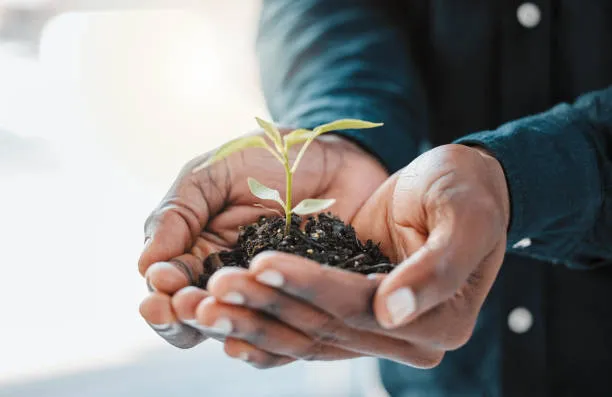
Successful tree planting requires proper planning, quality seedlings and continuous care after planting.
1. Site Assessment And Planning
Before planting trees, the land should be assessed to understand soil type, climate conditions, available space and the purpose of planting.
2. Selecting Suitable Tree Species
Choosing the right tree species increases survival rates. Native trees, fruit trees and improved forestry species should be selected depending on the environment and project goals.
3. Land Preparation
Proper preparation includes clearing planting areas, preparing holes and improving soil conditions where necessary.
4. Planting Seedlings
Seedlings should be planted carefully with correct spacing, proper depth and good soil contact around the roots.
5. Continuous Maintenance
Trees require care after planting through watering, mulching, protection and regular monitoring.
Tree Maintenance Guide
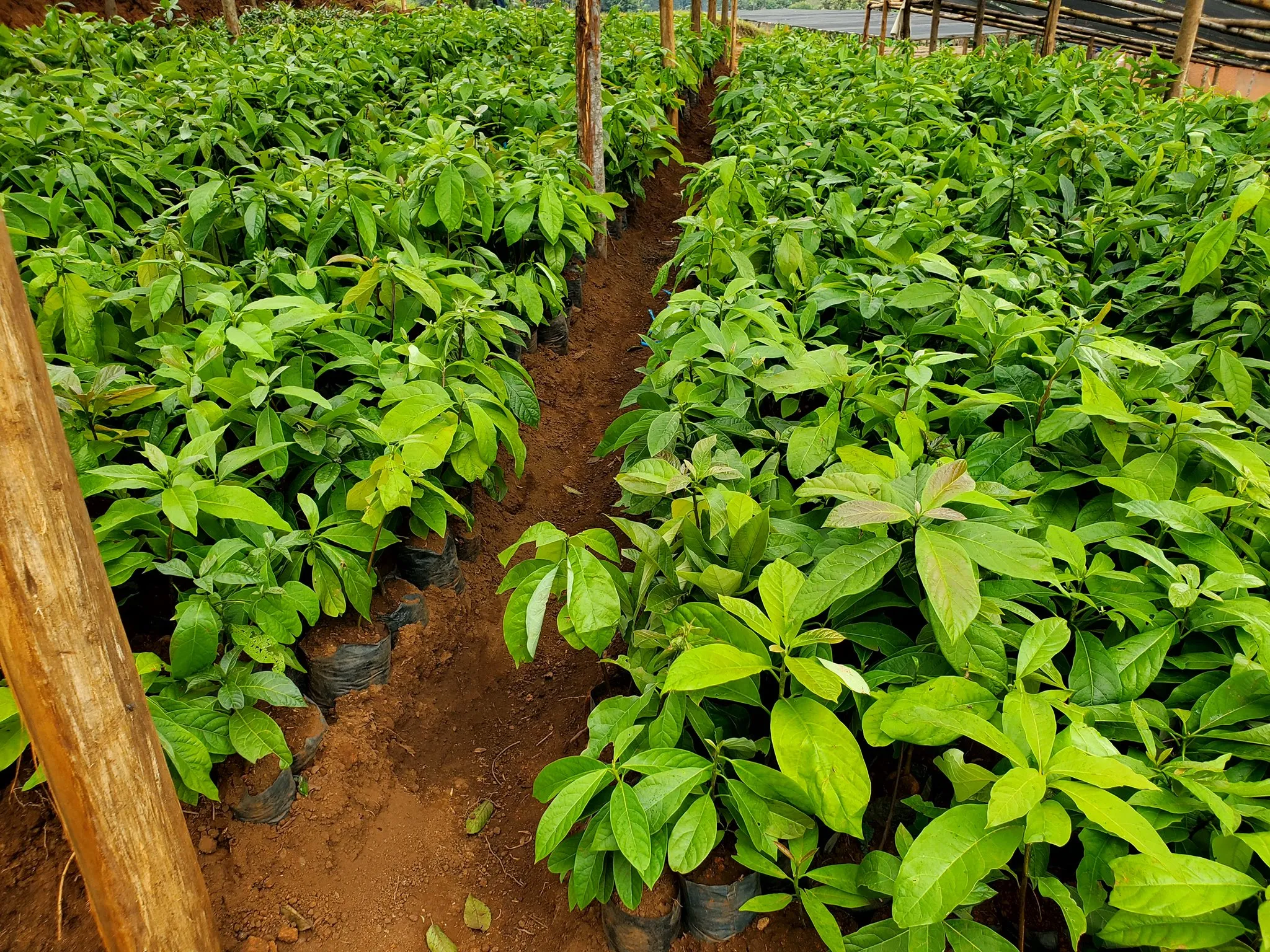
Proper maintenance determines whether planted trees survive and provide long-term environmental benefits.
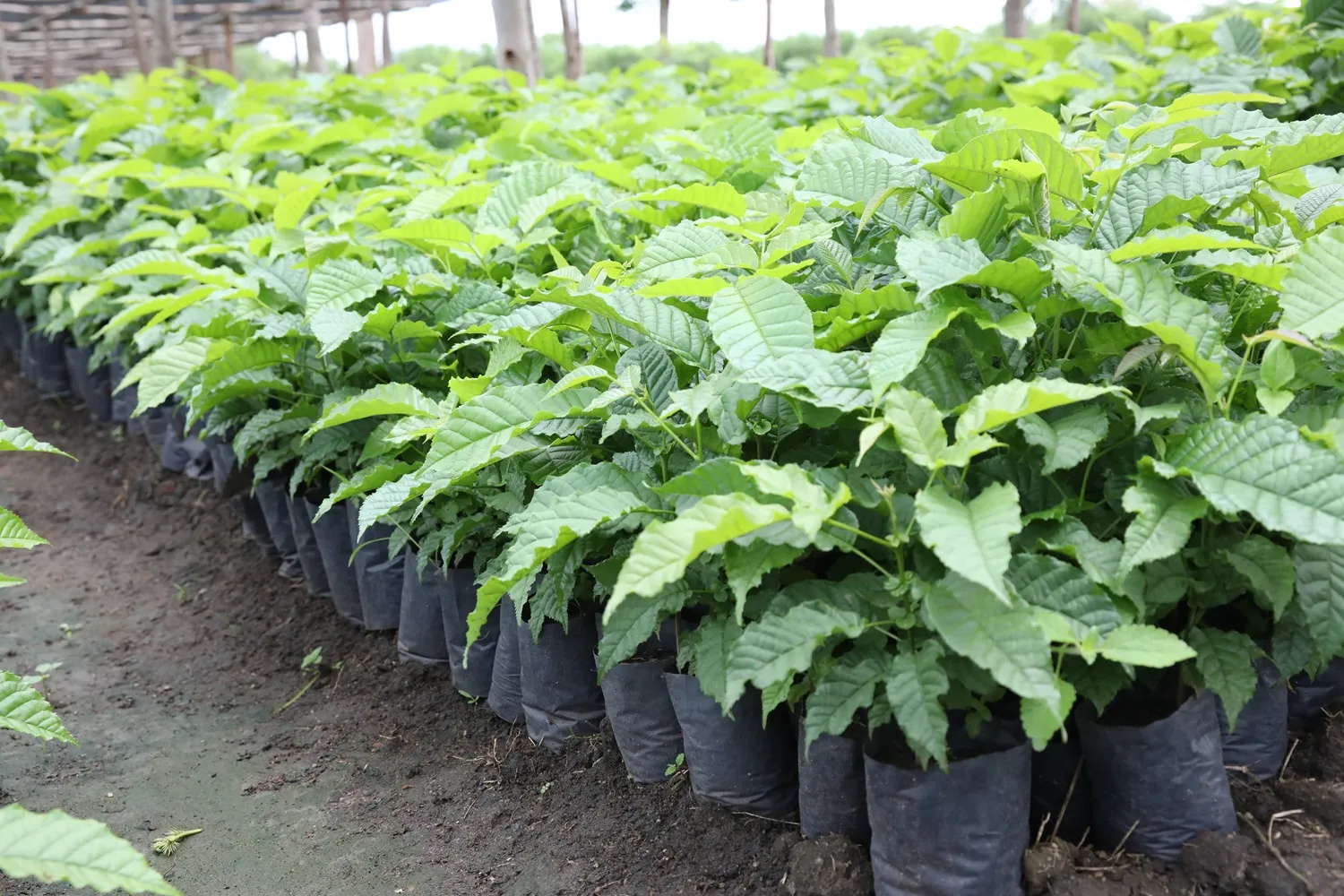
Watering Young Trees
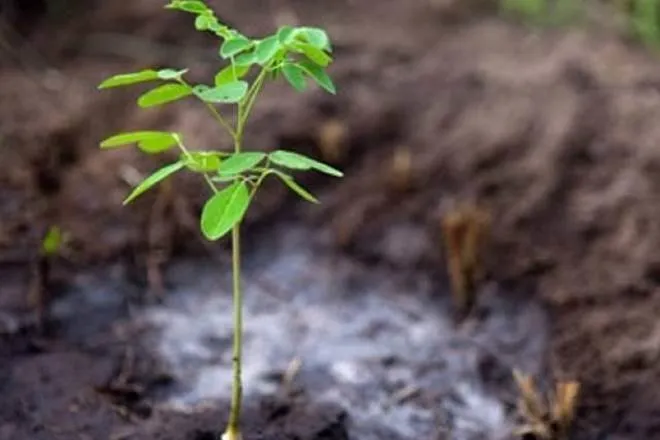
Newly planted trees require regular watering, especially during dry seasons. Adequate moisture helps roots establish and improves survival.
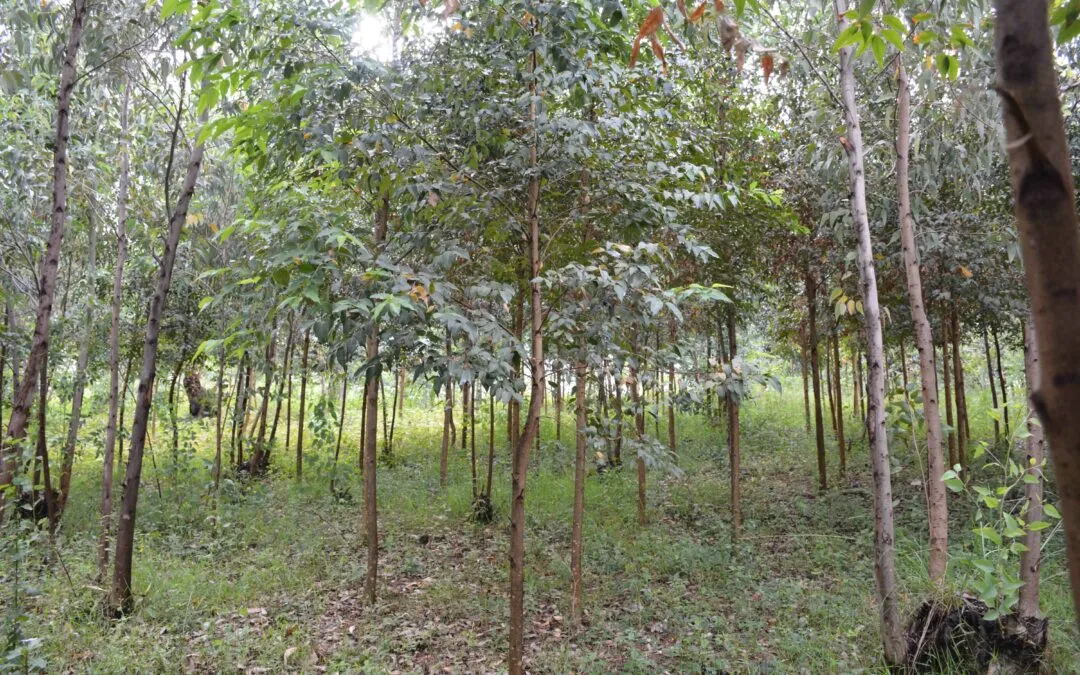
Mulching And Soil Care
Applying mulch around trees helps conserve moisture, control weeds and improve soil conditions.
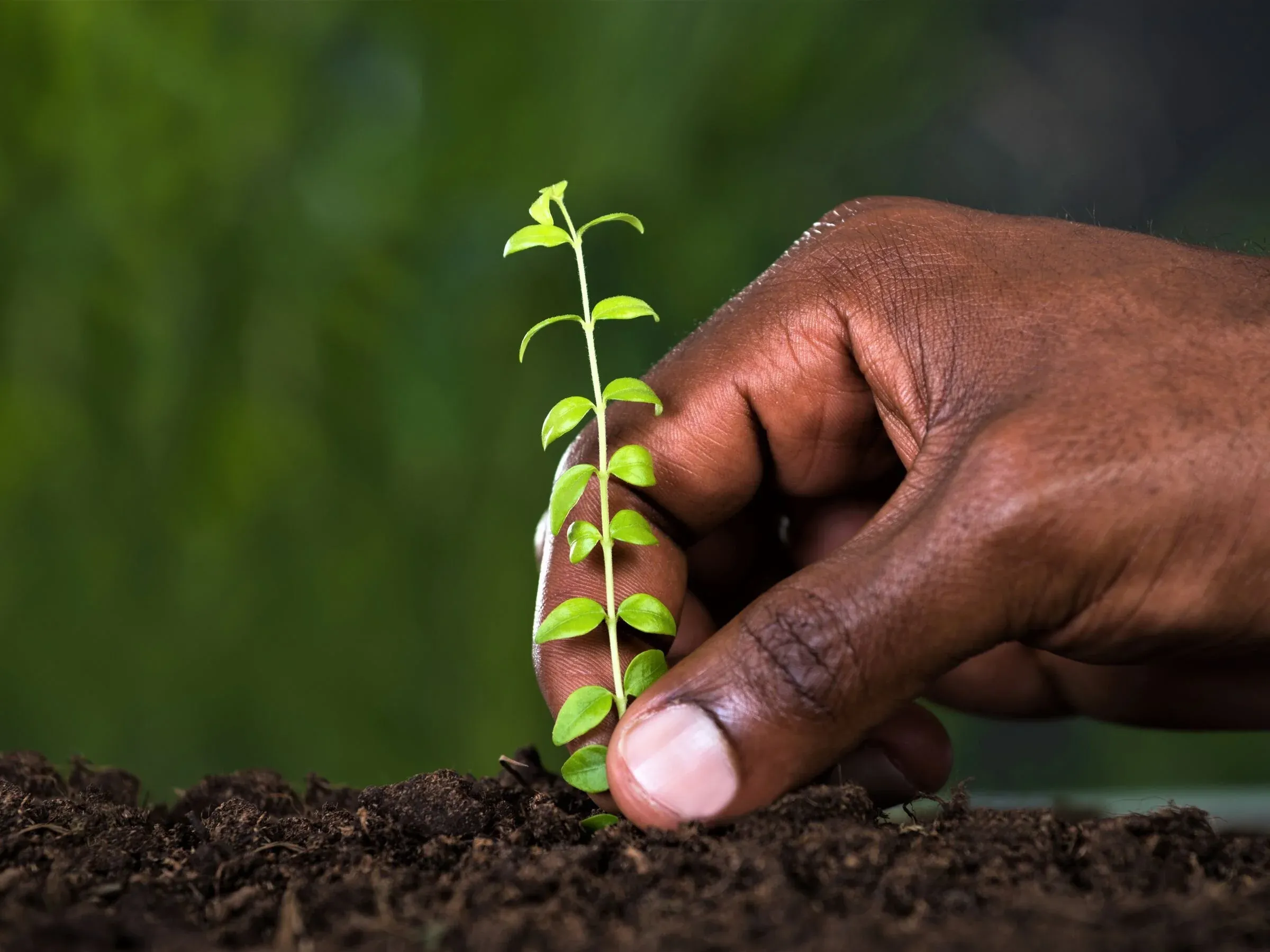
Protection And Monitoring
Young trees should be protected from animals, damage and environmental challenges through regular monitoring.
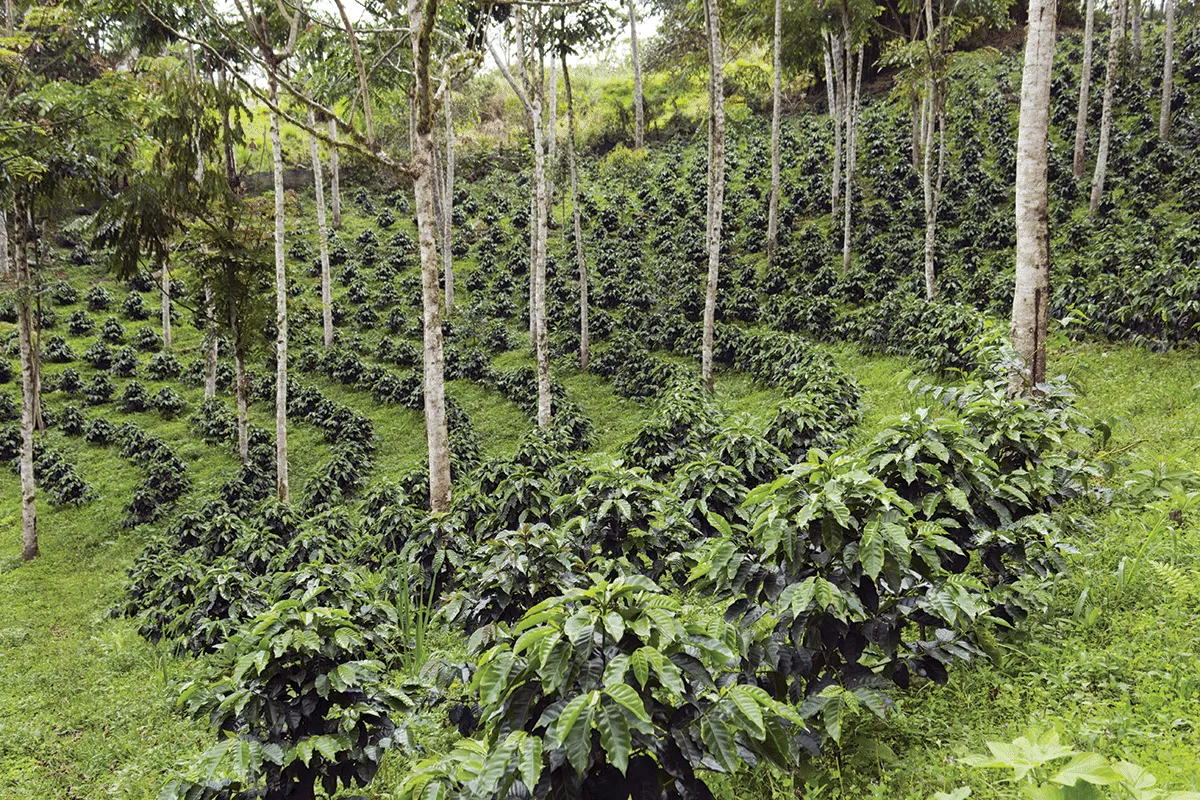
Tree Planting Through Agroforestry
Agroforestry combines trees with agricultural crops and livestock to create productive and environmentally friendly farming systems.
Farmers in Rwanda can benefit from agroforestry through improved soil fertility, reduced erosion, additional farm income and better climate resilience.
Examples include planting fruit trees, indigenous trees and forestry species around farms while continuing agricultural production.
- ✔ Improved soil fertility
- ✔ Additional income opportunities
- ✔ Protection against land degradation
- ✔ Better farm sustainability
The Hero Roots Tree Restoration Mission
We support environmental restoration through tree planting initiatives, sustainable forestry and community engagement.
Creating A Greener Future
Tree restoration is not only about planting trees. It is about creating healthy ecosystems that support people, agriculture and biodiversity.
Through responsible planting and maintenance, The Hero Roots contributes to climate action and sustainable environmental development in Rwanda.
Frequently Asked Questions
When is the best time to plant trees in Rwanda?
The best planting period is usually during rainy seasons when soil moisture is available and seedlings can establish strong roots.
How often should young trees be watered?
Young trees should be watered regularly, especially during dry periods, until their root systems become established.
Which trees are suitable for Rwanda?
Suitable species include indigenous trees, fruit trees and improved forestry species depending on location and purpose.
Why do some planted trees die?
Common causes include poor planting methods, lack of maintenance, unsuitable species selection and insufficient protection.
How does tree planting help farmers?
Trees improve soil fertility, provide products such as fruits and timber, and support climate-resilient farming systems.
Plant Trees Today For A Greener Tomorrow
Join The Hero Roots in restoring landscapes, protecting nature and creating sustainable environmental solutions through tree planting.
Start A Tree Planting Project