23HG+WV6, KK 31 Ave, Kigali, Rwanda

Organic Compost Solutions For Sustainable Farming In Rwanda

Improve soil fertility, increase crop production and build a healthier agricultural future through natural compost solutions.

Natural compost fertilizer Rwanda

What Is Organic Compost?

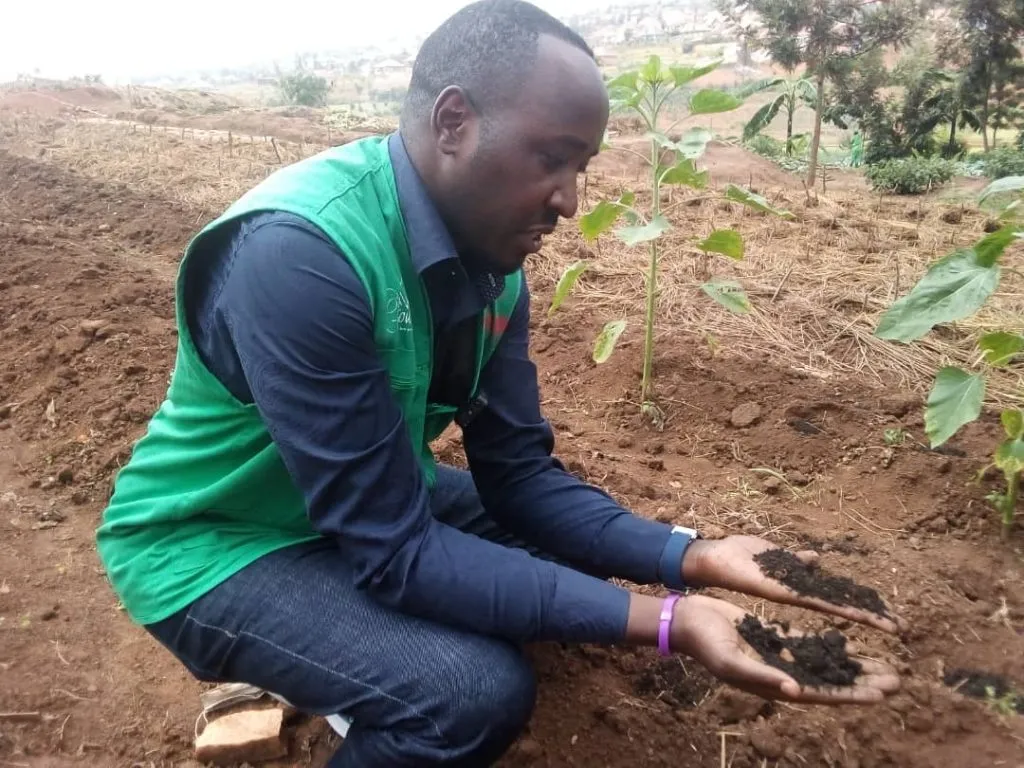
Organic compost is a natural fertilizer produced from decomposed organic materials such as animal manure, crop residues, leaves and agricultural waste.

Unlike synthetic fertilizers, compost improves the complete health of the soil by increasing organic matter, supporting beneficial microorganisms and improving nutrient availability.

For farmers in Rwanda, compost provides an affordable and sustainable way to restore soil fertility while reducing dependence on expensive agricultural inputs.

Why Farmers Need Compost

Healthy soil produces healthy crops. Compost improves soil structure, increases water retention and helps farmers achieve better harvests.
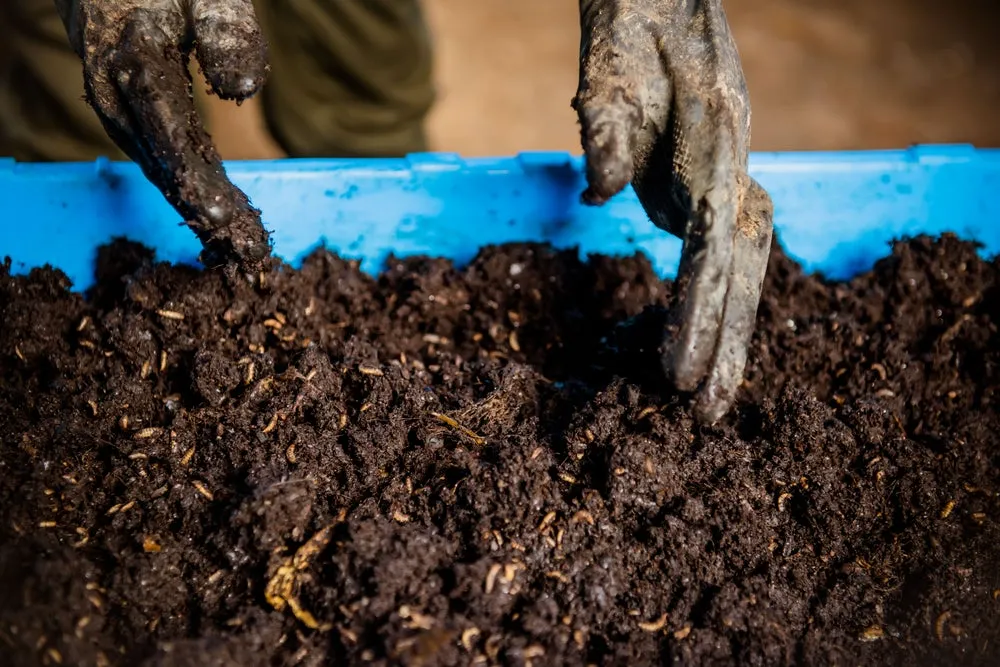
Benefits Of Organic Compost

Using quality compost supports productive farming while protecting the environment and improving long-term soil health.

Improves Soil Fertility

Compost adds organic matter and essential nutrients that help crops grow stronger.

Higher Crop Production

Healthy soils improve crop development and increase agricultural productivity.

Better Water Retention

Compost helps soil store moisture and supports crops during dry periods.

Waste Recycling

Organic waste becomes valuable fertilizer instead of creating environmental problems.

Eco-Friendly Farming

Supports sustainable agriculture by reducing chemical dependency.

Better Farm Income

Improved soil quality helps farmers produce better products for markets.

Organic fertilizer for farmers in Rwanda

How Organic Compost Is Produced

Producing quality compost requires proper selection of materials and good management practices to create a nutrient-rich natural fertilizer.

Step 1: Collect Organic Materials

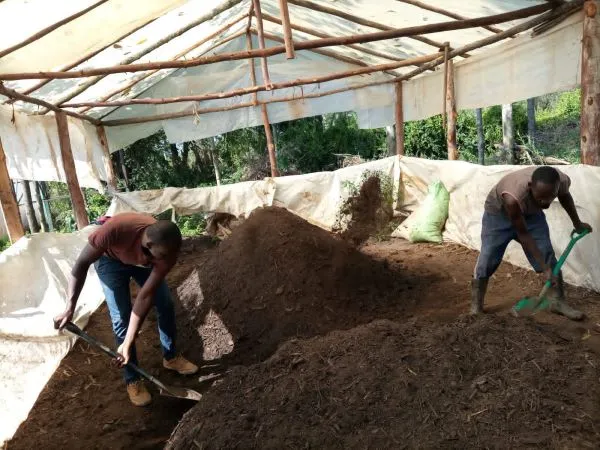
Farmers collect available organic materials including animal manure, crop residues, grass, leaves and agricultural waste.

Step 2: Mix And Prepare Compost

Green materials provide nitrogen while dry materials provide carbon. Combining both creates the right environment for decomposition.

Step 3: Compost Decomposition

The compost pile is maintained with enough moisture and oxygen. Natural microorganisms break down materials and transform them into fertile compost.

Step 4: Apply Mature Compost

Finished compost can be applied to farms, gardens, orchards and plantations to improve soil productivity.

Organic compost production process

Compost Applications In Rwanda Agriculture

Organic compost supports different agricultural activities and helps farmers increase productivity naturally.

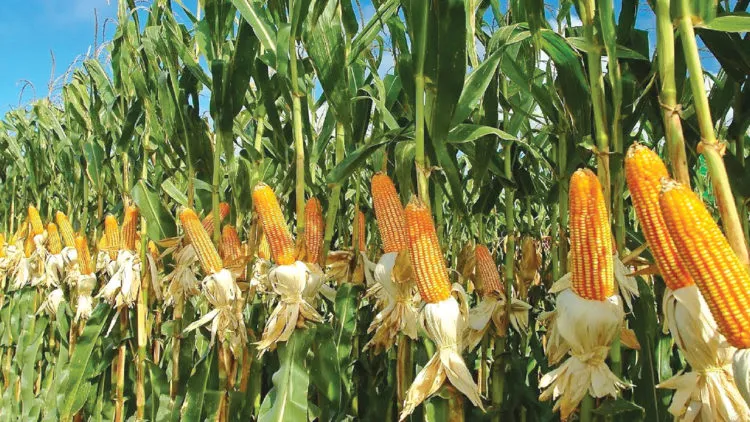
Maize farming Rwanda

Maize Farming

Compost improves soil structure and provides nutrients that support healthy maize growth and better harvests.

Agribusiness Rwanda

Agribusiness Development

Sustainable soil management helps farmers build profitable agricultural enterprises and access better markets.

Natural compost fertilizer

Fruit And Vegetable Farming

Compost supports fruit trees and vegetables by improving root growth and soil nutrition.

Sustainable agriculture Rwanda

Why Choose The Hero Roots Compost Solutions?

The Hero Roots promotes sustainable agricultural practices that help farmers restore soil health, increase production and protect the environment.

Our approach combines agricultural knowledge, environmental responsibility and practical solutions designed for Rwanda farming conditions.

  • ✔ Sustainable soil improvement
  • ✔ Environmentally responsible farming
  • ✔ Support for farmers and agribusinesses
  • ✔ Promotion of climate-smart agriculture

Frequently Asked Questions

What is organic compost?

Organic compost is a natural fertilizer created from decomposed organic materials that improves soil fertility and plant growth.

Is compost good for farmers in Rwanda?

Yes. Compost improves Rwanda's agricultural soils, reduces input costs and supports sustainable farming.

Can compost replace chemical fertilizer?

Compost can reduce dependence on chemical fertilizers by improving natural soil fertility and nutrient availability.

Which crops benefit from compost?

Compost benefits maize, vegetables, fruits, coffee, trees and many other agricultural crops.

How long does compost take to mature?

Depending on materials and management, compost can mature within several weeks to several months.

Build Healthier Soil With The Hero Roots

Improve your farm productivity with sustainable compost solutions designed to support farmers, protect nature and create a greener agricultural future in Rwanda.

Contact The Hero Roots