Starting A Successful Fruit Tree Orchard In Rwanda
Learn how to establish productive fruit orchards, select suitable varieties and increase farm income.

Discover practical farming knowledge, environmental solutions, climate-smart agriculture techniques and sustainable development resources designed for Rwanda's farmers, entrepreneurs and communities.
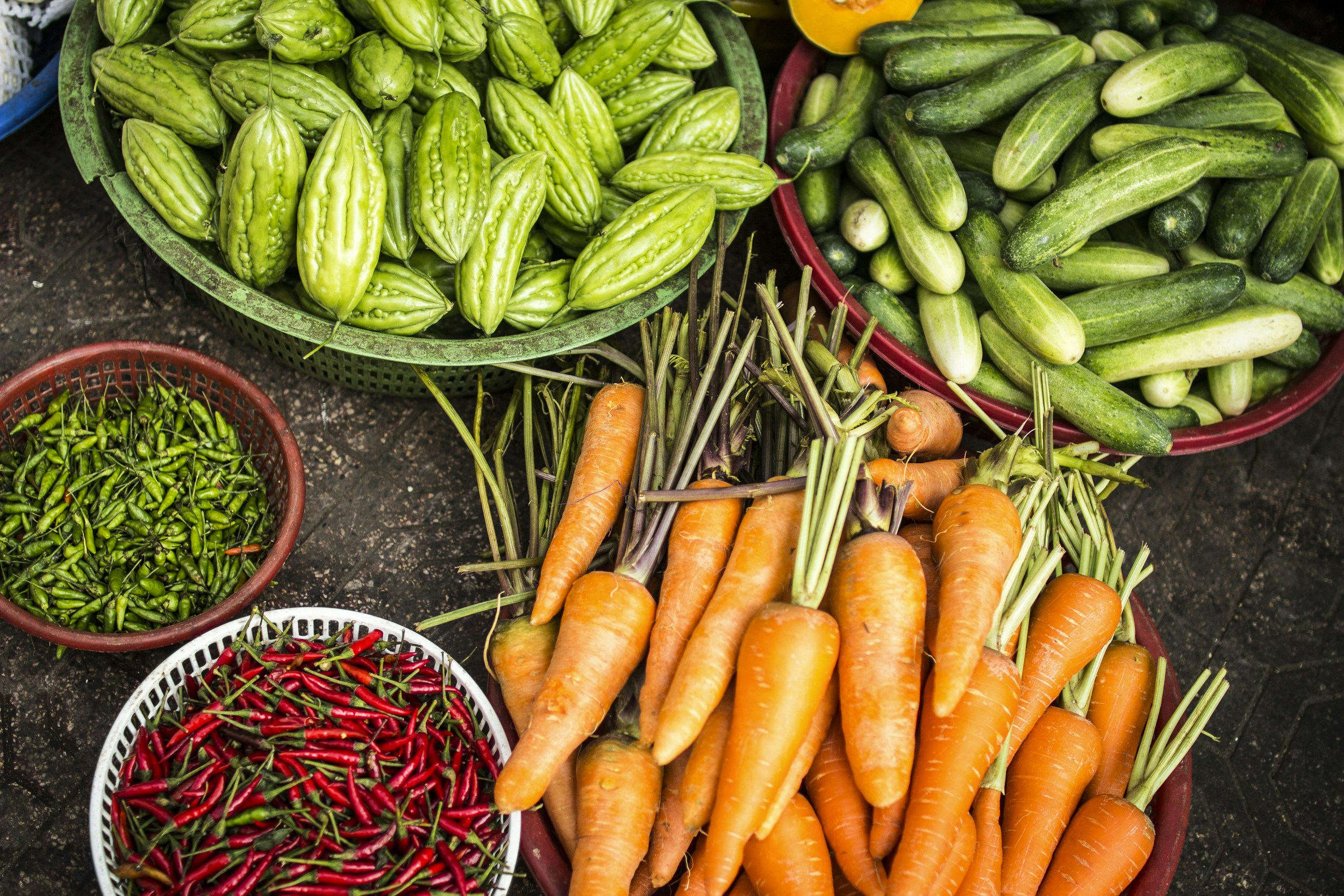
A practical guide to selecting fruit trees, preparing land, managing orchards and building profitable farming systems for Rwanda's agricultural entrepreneurs.
Modern farming techniques and crop production guides.
Animal husbandry and livestock management solutions.
Conservation, climate action and ecosystem protection.
Solutions helping farmers adapt to climate change.
Practical knowledge developed for Rwanda's farming communities.
Learn how to establish productive fruit orchards, select suitable varieties and increase farm income.

Discover natural soil improvement techniques and environmentally friendly farming methods.

Practical methods for maintaining healthy productive soils.

Learn farming approaches that increase resilience against climate challenges.

Strategies for farmers and entrepreneurs entering the agriculture market.
Methods farmers can use to protect water resources.

How farmers can combine productivity with environmental protection.

Improving animal productivity through better management.
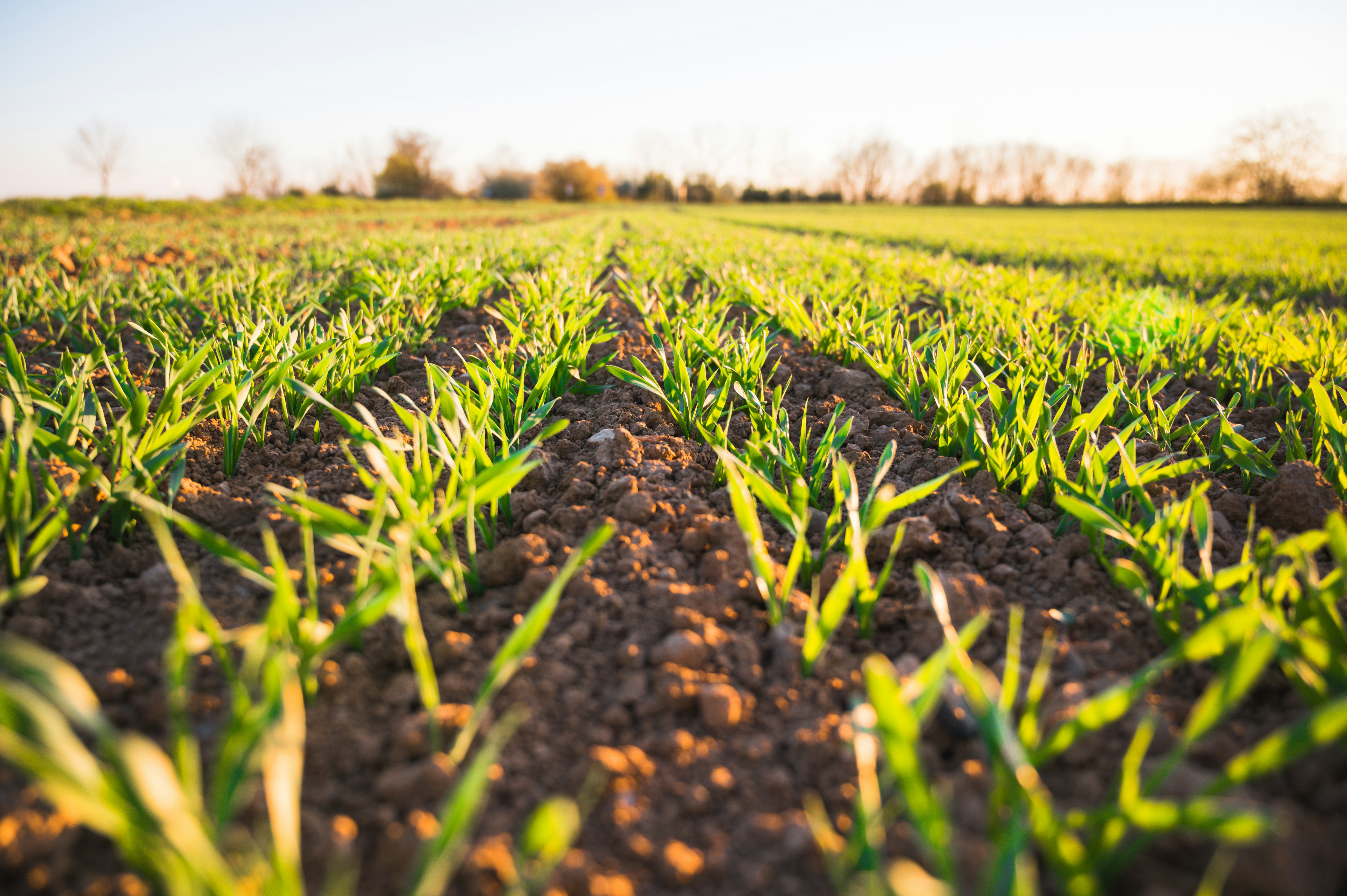
How digital tools are supporting farmers.

Protecting Rwanda's environment through restoration.
Agriculture Guide | Rwanda | 10 Minutes Read
Agriculture remains one of the most important sectors of Rwanda’s economy, supporting millions of households and creating opportunities for rural development, employment, and entrepreneurship. Among the many agricultural activities available to farmers, fruit tree farming has become one of the most promising opportunities because of increasing local demand, improved farming technologies, and the need for sustainable food production systems.
Establishing a successful fruit orchard is not simply about planting trees and waiting for harvest. A productive orchard requires proper planning, suitable land selection, quality planting materials, good soil management, continuous maintenance, and a clear understanding of the market. Farmers who apply scientific and sustainable orchard management practices can transform small pieces of land into profitable agricultural businesses.
Rwanda’s diverse landscapes, favourable climate conditions, and growing urban markets provide excellent opportunities for fruit production. From the hills of Northern Province to the warmer areas of Eastern Province and the fertile regions surrounding Kigali, farmers can successfully grow different fruit species when the right varieties and techniques are selected.
At The Hero Roots, we believe that agriculture development should combine traditional farming knowledge with modern environmental practices. Through agricultural education, sustainable farming approaches, and support for farmers, communities can build resilient food systems while protecting natural resources.
Fruit trees offer several advantages compared with many seasonal crops. Unlike annual crops that require planting every season, well-managed fruit trees can continue producing for many years, providing farmers with a long-term source of income.
Before establishing an orchard, farmers must understand the relationship between fruit trees and local environmental conditions. Rwanda is known as the “Land of a Thousand Hills” and has different agro-ecological zones with variations in rainfall, altitude, temperature, and soil characteristics.
These differences influence which fruit varieties will perform best in a specific location. A fruit tree that grows well in one district may not perform the same way in another area. Therefore, proper site assessment is one of the most important steps before planting.
Healthy soil is the foundation of a productive orchard. Fruit trees require soil that provides sufficient nutrients, good drainage, and enough space for root development. Farmers should avoid areas where water remains stagnant for long periods because excessive moisture can damage roots and increase disease risks.
Before planting, farmers should conduct soil analysis whenever possible. Soil testing helps determine nutrient levels and guides decisions about compost, organic manure, lime application, and other soil improvement methods.
Although many fruit trees can tolerate moderate dry periods after establishment, young trees require regular water supply during their early growth stages. Farmers should consider rainfall patterns, nearby water sources, and possible irrigation solutions before developing an orchard.
Most fruit trees require adequate sunlight for healthy growth and good fruit production. Orchard areas should receive sufficient daily sunlight and should not be heavily shaded by buildings, forests, or other large trees.
A successful orchard is not only about production but also about selling the harvest. Farmers should consider transportation access, distance to markets, availability of buyers, and opportunities for processing or value addition.
Selecting suitable fruit varieties is one of the most important decisions an orchard farmer will make. The choice should consider climate suitability, consumer demand, disease resistance, production period, and profitability.
Some fruit trees that have strong potential in Rwanda include:
Farmers should always obtain planting materials from trusted nurseries. Poor quality seedlings can result in slow growth, low production, and increased susceptibility to diseases.
Proper land preparation creates the foundation for healthy tree development and long-term orchard productivity. Many orchard failures happen because farmers plant trees without first understanding soil conditions, drainage requirements, or the correct spacing needed for future growth.
Unlike seasonal crops, fruit trees remain on the same land for many years. Therefore, decisions made during the first stages of orchard establishment have a direct impact on future production. A well-prepared orchard requires careful planning before planting begins.
The first step is removing unwanted vegetation, bushes, and materials that may compete with young fruit trees. However, farmers should avoid unnecessary destruction of useful vegetation because maintaining biodiversity around farms helps create healthier ecosystems.
Where possible, farmers should use environmentally friendly land preparation methods. Excessive burning of vegetation reduces soil organic matter and destroys beneficial organisms that support soil fertility.
Healthy soil contains organic matter, microorganisms, minerals, and proper structure that allow plant roots to develop effectively. Before planting fruit trees, farmers should improve soil conditions through sustainable practices.
Recommended soil improvement practices include:
In Rwanda, where many farming areas are located on hillsides, controlling soil erosion is especially important. Terracing, planting grass barriers, and maintaining ground cover can significantly reduce nutrient loss.
A professional orchard should be planned before planting begins. Proper layout improves sunlight exposure, makes farm operations easier, and allows better management of pests, diseases, and harvesting activities.
The orchard design should consider:
Tree spacing depends on the type of fruit tree being planted. Planting trees too close together can create competition for sunlight, water, and nutrients. Overcrowded orchards also experience increased humidity, which can encourage fungal diseases.
On the other hand, excessive spacing may reduce land efficiency and lower production per hectare. Farmers should follow recommended spacing guidelines for each fruit variety.
Examples include:
The quality of seedlings determines the future performance of an orchard. Farmers sometimes focus on reducing initial costs and purchase cheap seedlings from unreliable sources. However, poor-quality planting materials can create problems that last for many years.
Quality seedlings should have:
Working with trusted agricultural suppliers and nurseries helps farmers access improved varieties that produce better yields and higher-quality fruits.
Planting is a critical stage where many future orchard problems can be avoided. Trees should be planted carefully to support strong root development and early growth.
Planting holes should be prepared before bringing seedlings to the field. The size of the hole depends on soil conditions and tree variety, but generally the hole should provide enough space for roots to expand easily.
Farmers can improve planting holes by mixing removed soil with organic compost or well-rotted manure. This provides nutrients during the early establishment period.
Water is one of the most important requirements for young fruit trees. Insufficient water during early growth can slow development and reduce future production.
Farmers should develop efficient water management strategies, especially in areas experiencing irregular rainfall patterns due to climate change.
Recommended water conservation methods include:
Sustainable water management not only supports tree growth but also protects natural resources for future generations.
Livestock Agriculture Guide | Rwanda | 12 Minutes Read
Livestock farming plays an important role in Rwanda's agricultural economy. Cattle, goats, sheep, pigs, poultry, and other animals provide food, income, employment, and valuable resources for farming communities.
However, successful livestock farming requires more than keeping animals. Farmers need proper knowledge about animal nutrition, health management, housing, breeding, and environmental protection to build productive and profitable livestock businesses.
Sustainable livestock farming focuses on producing animal products while protecting natural resources, improving animal welfare, and ensuring long-term farm profitability.
At The Hero Roots, we believe that responsible livestock production can strengthen rural communities and contribute to a more sustainable agricultural future in Rwanda.
Sustainable livestock farming is an approach that combines animal productivity, environmental responsibility, and economic development. It aims to maintain healthy animals while using resources efficiently.
A sustainable livestock system focuses on:
Livestock contributes significantly to household income and food security in Rwanda. Many farmers depend on animals as a source of milk, meat, eggs, fertilizer, and financial security.
The livestock sector supports farmers through:
Animal nutrition is one of the most important factors affecting livestock performance. Animals that receive balanced diets grow better, produce more, and have stronger resistance against diseases.
Good livestock feeding includes:
Farmers should understand the nutritional needs of different animals because cattle, goats, poultry, and pigs require different feeding strategies.
Proper housing protects animals from harsh weather conditions, diseases, and unnecessary stress. Comfortable animals are healthier and more productive.
Good livestock housing should provide:
Animal welfare is not only an ethical responsibility; it also improves farm performance.
Disease outbreaks can cause major financial losses for livestock farmers. Preventive health management is therefore essential.
Farmers can protect animals through:
Healthy animals require fewer treatments and provide better production results.
Selecting suitable breeds can greatly improve livestock productivity. Farmers should choose animals that match local environmental conditions and production goals.
Benefits of improved breeding include:
Crop and livestock integration creates a stronger farming system where different activities support each other.
Examples include:
Integrated farming improves resource efficiency and reduces production costs.
Animal waste can become a valuable resource when managed properly. Instead of being considered waste, manure can improve soil fertility and support crop production.
Farmers can use manure through:
Clean and sufficient water is essential for animal health and productivity. Animals require water for digestion, temperature regulation, and production.
Good water management includes:
Technology is helping farmers improve animal management and make better decisions.
Examples include:
Sustainable livestock practices provide benefits for farmers, communities, and the environment.
Livestock farmers may experience challenges including disease risks, high feed costs, limited veterinary access, and climate-related problems.
Solutions include:
The Hero Roots promotes agricultural approaches that improve farmer livelihoods, protect the environment, and encourage responsible livestock production.
Through sustainable farming knowledge and community-focused initiatives, The Hero Roots supports farmers in developing stronger and more productive agricultural systems.
Good nutrition, animal health management, proper housing, and responsible breeding are key factors for successful livestock farming.
Farmers can reduce diseases through vaccination, hygiene, veterinary support, and early identification of health problems.
Yes. Proper manure management, integrated farming, and responsible resource use can make livestock farming environmentally sustainable.
Small farmers can improve production through better feeding, animal health care, improved housing, and access to farming knowledge.
Sustainable livestock farming provides an opportunity to improve farmer income, strengthen food security, and protect agricultural resources.
By adopting better feeding systems, animal health practices, responsible breeding, and environmental management, farmers can build productive livestock enterprises that benefit future generations.
The future of livestock farming depends on combining traditional knowledge with modern sustainable practices. Healthy animals create stronger farms, and stronger farms create stronger communities.
Learn more about sustainable agriculture and livestock development solutions with The Hero Roots.
Contact The Hero Roots
Sustainable Agriculture Guide | Rwanda | 12 Minutes Read
Agriculture is changing as farmers and consumers increasingly recognize the importance of producing food in ways that protect human health and the environment. Organic farming has become one of the most important approaches for creating sustainable agricultural systems.
Organic farming focuses on improving natural soil fertility, reducing harmful chemical use, protecting biodiversity, and producing safe agricultural products. Instead of depending heavily on synthetic inputs, organic farmers work with natural processes to maintain productive farms.
In Rwanda, where agriculture supports a large part of the population, organic farming provides opportunities to improve soil quality, increase farm resilience, and access growing markets for environmentally responsible products.
At The Hero Roots, we believe sustainable agriculture is about creating a balance between food production, environmental protection, and improved livelihoods for farming communities.
Organic farming is an agricultural system that uses natural methods to grow crops and raise animals while avoiding excessive dependence on synthetic fertilizers, pesticides, and other artificial inputs.
Organic farming emphasizes:
Rwanda's agricultural sector faces challenges including soil degradation, climate change, limited land availability, and increasing demand for safe food. Organic farming provides practical solutions to many of these challenges.
The importance of organic agriculture includes:
Healthy soil is the foundation of organic farming. Instead of depending mainly on chemical fertilizers, organic farmers focus on improving the natural ability of soil to support plant growth.
Farmers can improve soil health through:
Healthy soil improves water retention, nutrient availability, and crop resistance to environmental challenges.
Compost is one of the most important resources in organic farming. It converts organic waste into valuable fertilizer that improves soil quality.
Materials used for compost include:
Using compost reduces waste while providing crops with essential nutrients.
Organic farming does not mean ignoring pests and diseases. Instead, it focuses on managing them through environmentally friendly methods.
Natural pest management practices include:
Crop rotation is an important organic farming practice where farmers grow different crops in the same field during different seasons.
Benefits of crop rotation include:
Biodiversity plays an important role in maintaining healthy agricultural systems. Organic farming encourages the presence of different plants, animals, and microorganisms.
Biodiversity helps farmers by:
Organic farming can include livestock production where animals and crops support each other.
Integrated farming systems allow farmers to:
Organic farming contributes to climate resilience by improving soil health and reducing dependence on external inputs.
Benefits include:
Organic farming is not only an environmental practice; it can also become a profitable business opportunity.
Farmers can benefit through:
Although organic farming provides many benefits, farmers may experience challenges when adopting these methods.
Common challenges include:
Training, farmer cooperation, and market development can help overcome these challenges.
Farmers do not need to change everything immediately. Organic farming can begin with simple steps.
Recommended starting points include:
The Hero Roots promotes environmentally responsible agriculture by encouraging farming practices that protect natural resources and strengthen rural communities.
Through sustainable agriculture awareness, knowledge sharing, and environmental initiatives, The Hero Roots supports farmers who want to create productive and responsible farming systems.
Yes. Organic farming can become profitable through reduced input costs, quality products, and access to specialized markets.
Yes. Organic farming improves soil fertility by increasing organic matter and supporting natural soil processes.
Yes. Small farmers can begin organic farming using locally available resources such as compost and natural fertilizers.
Organic farming generally supports environmental protection by reducing pollution, improving soil health, and supporting biodiversity.
Organic farming represents an opportunity to create healthier farms, protect the environment, and build stronger agricultural businesses in Rwanda.
By improving soil health, using natural resources responsibly, and adopting sustainable methods, farmers can produce quality food while preserving the land for future generations.
The future of agriculture depends on farming systems that respect nature while supporting economic growth. Organic agriculture is an important step toward building a more sustainable and resilient agricultural future.
Discover sustainable agriculture solutions and environmental practices with The Hero Roots.
Contact The Hero Roots
Agriculture Knowledge Center | Rwanda | 12 Minutes Read
Agriculture remains one of the most important sectors in Rwanda, providing employment, income, and food security for millions of people. However, successful farming today requires more than traditional methods. Farmers need improved knowledge, sustainable techniques, and better management practices to increase production while protecting natural resources.
Improving crop production does not always mean using more land or more inputs. In many cases, farmers can achieve better results by improving soil health, selecting suitable crops, managing water efficiently, controlling pests responsibly, and applying modern agricultural knowledge.
Good farming practices help farmers produce higher-quality crops, reduce production risks, increase income, and build agricultural systems that can continue supporting future generations.
At The Hero Roots, we believe that empowering farmers with practical knowledge is one of the most effective ways to create sustainable agricultural development in Rwanda.
Good Agricultural Practices (GAP) are recommended methods that help farmers produce safe, high-quality agricultural products while protecting the environment and improving efficiency.
These practices focus on:
The foundation of successful crop production begins with choosing the right seeds and planting materials. Poor-quality seeds often result in weak plants, lower yields, and increased vulnerability to diseases.
Farmers should consider:
Quality seeds provide stronger crops and improve the chances of achieving better harvests.
Proper land preparation creates favourable conditions for crop growth. It helps improve soil structure, control weeds, and ensure plants receive enough nutrients.
Important land preparation activities include:
In Rwanda's hilly areas, soil conservation practices are especially important to prevent loss of valuable farmland.
Healthy soil is the foundation of productive agriculture. Continuous farming without proper soil management can reduce nutrients and decrease crop performance.
Farmers can maintain soil fertility through:
Correct spacing allows crops to receive enough sunlight, nutrients, and water. Overcrowded plants compete with each other and may become more vulnerable to diseases.
Proper crop management helps farmers achieve:
Water is essential for crop production. Farmers who manage water efficiently can maintain productivity even when rainfall becomes unpredictable.
Water management practices include:
Pests and diseases can significantly reduce crop production. However, excessive use of chemicals can damage the environment and increase production costs.
Integrated pest management combines different approaches including:
This approach protects crops while reducing unnecessary chemical use.
Crop rotation involves growing different crops in the same field during different seasons. This practice improves soil health and reduces pest and disease problems.
Benefits of crop rotation include:
Organic farming practices focus on working with natural systems to produce healthy crops while protecting the environment.
Examples include:
Successful farmers treat farming as a business. Keeping records helps farmers understand costs, production levels, and profitability.
Important records include:
Producing quality crops is important, but farmers also need reliable markets. Understanding customer needs helps farmers produce products that have higher value.
Farmers can improve market access through:
When farmers adopt better agricultural practices, they can achieve long-term benefits including:
Adopting improved farming methods may require new knowledge, investment, and access to resources.
Common challenges include:
These challenges can be reduced through farmer education, partnerships, cooperatives, and agricultural support programs.
The Hero Roots promotes sustainable agriculture by encouraging farming methods that improve productivity while protecting the environment.
Through agricultural knowledge sharing and sustainable development approaches, The Hero Roots supports farmers in building stronger, more productive, and environmentally responsible farming systems.
Healthy soil, quality planting materials, proper management, and access to knowledge are all important factors for successful crop production.
Farmers can increase harvests by improving soil fertility, using quality seeds, managing water properly, and controlling pests effectively.
Yes. Traditional knowledge combined with modern sustainable practices can create effective farming systems.
Sustainable farming protects natural resources while ensuring agriculture can continue supporting communities in the future.
Improving crop production requires a combination of knowledge, planning, and responsible farming practices. Farmers who focus on soil health, water management, quality inputs, and sustainable methods can achieve better results and stronger incomes.
The future of agriculture in Rwanda depends on productive farms that respect the environment and create opportunities for communities.
By adopting better farming practices today, farmers can build successful agricultural businesses and contribute to a more sustainable food system for future generations.
Learn more about modern agriculture, environmental protection, and farming solutions with The Hero Roots.
Contact The Hero Roots
Agriculture Technology Guide | Rwanda | 12 Minutes Read
Agriculture depends on reliable access to water. While Rwanda receives rainfall in many regions, changes in climate patterns, longer dry periods, and increasing agricultural demand make irrigation an important solution for farmers who want to increase productivity.
Traditional farming systems often depend completely on rainfall, which creates risks when rains arrive late, end early, or become unpredictable. Modern irrigation systems allow farmers to control water supply and maintain crop growth throughout different seasons.
Efficient irrigation is not only about providing water to crops. It is about using water wisely, reducing waste, improving production quality, and creating more reliable agricultural businesses.
At The Hero Roots, we encourage sustainable farming solutions that help farmers increase productivity while protecting valuable natural resources.
A modern irrigation system is a method of delivering water to crops in a controlled and efficient way. Unlike traditional methods where large amounts of water may be lost, modern systems provide water directly where plants need it.
Modern irrigation focuses on:
Rwanda's agricultural sector faces challenges related to climate variability, limited land resources, and increasing food demand. Irrigation provides farmers with better control over production conditions.
Benefits of irrigation include:
Drip irrigation is one of the most efficient irrigation methods. It delivers small amounts of water directly to plant roots through pipes and emitters.
Advantages of drip irrigation include:
Drip irrigation is especially useful for high-value crops where farmers need consistent production and quality.
Sprinkler irrigation distributes water through spraying systems that imitate natural rainfall. It can cover larger areas and is suitable for different crops.
Benefits include:
Rainwater harvesting involves collecting and storing rainfall for agricultural use during periods when water is unavailable.
Farmers can use:
Solar irrigation uses solar energy to pump water from available sources. It is becoming increasingly valuable in areas where electricity access is limited.
Advantages include:
The best irrigation system depends on several factors including farm size, available water sources, crop type, budget, and local conditions.
Farmers should consider:
Vegetables require consistent moisture for quality production. Drip irrigation is often suitable because it provides controlled water directly to plant roots.
Fruit trees benefit from irrigation during establishment and dry periods. Proper watering improves tree growth and fruit production.
Greenhouses require precise water management because crops grow under controlled conditions. Efficient irrigation improves productivity and reduces waste.
Irrigation works best when combined with healthy soil practices. Good soil can store water longer and reduce the amount of irrigation required.
Farmers should combine irrigation with:
Some modern irrigation systems require investment. Farmers can overcome this through cooperatives, financing programs, and starting with smaller systems.
Regular maintenance is important to ensure irrigation systems continue working efficiently.
Farmers should use water responsibly and avoid practices that damage natural water sources.
Irrigation can transform farming from seasonal production into a more reliable business activity.
Economic benefits include:
The Hero Roots promotes sustainable agricultural approaches that combine innovation, environmental protection, and farmer empowerment.
Through knowledge sharing and sustainable development initiatives, The Hero Roots encourages farmers to adopt technologies that improve productivity while protecting natural resources.
Not every farm requires irrigation, but it can significantly improve productivity where rainfall is unreliable or crops require consistent water.
Drip irrigation is considered one of the most water-efficient systems because it delivers water directly to plant roots.
Yes. Small farmers can use affordable irrigation solutions such as small drip systems and rainwater harvesting methods.
Yes. Irrigation can increase production, improve quality, and allow farmers to produce during periods when market prices may be higher.
Modern irrigation systems provide Rwanda farmers with an opportunity to improve productivity, reduce climate risks, and create stronger agricultural businesses.
By using water efficiently, combining irrigation with sustainable soil management, and adopting appropriate technologies, farmers can build more resilient and profitable farming systems.
The future of agriculture depends on responsible innovation. Efficient water management today will help create stronger farms and sustainable food systems for future generations.
Learn more about sustainable agricultural solutions and farming innovations with The Hero Roots.
Contact The Hero Roots
Sustainable green farming is becoming increasingly important as farmers, communities, and agricultural organizations look for ways to increase food production while protecting the environment. In Rwanda, where agriculture supports millions of livelihoods, developing farming systems that balance productivity, environmental conservation, and economic growth is essential for the future of agriculture.
Green farming focuses on working with nature rather than against it. It combines modern agricultural knowledge with traditional farming practices to create systems that maintain soil fertility, conserve water, protect biodiversity, and support farmers' incomes over the long term.
Unlike intensive farming approaches that may exhaust natural resources, a sustainable green farming system considers the complete relationship between soil, crops, animals, water, climate, and people. Every farming decision is made with the goal of creating a healthier ecosystem.
A sustainable green farming system is an approach to agriculture that produces food while protecting natural resources for future generations. It focuses on maintaining productive farmland without causing permanent damage to the environment.
A green farming system normally includes:
Rwanda's agricultural sector faces several challenges including soil erosion, land pressure, changing weather patterns, and increasing demand for food production. Sustainable farming provides solutions that help farmers overcome these challenges.
Because Rwanda has limited available agricultural land, farmers must focus on improving productivity while protecting soil and water resources. Green farming allows farmers to produce more efficiently without destroying the natural systems that agriculture depends on.
Healthy soil is the foundation of every successful farming system. Green agriculture places strong emphasis on rebuilding soil fertility through natural processes.
Farmers can improve soil health by:
Healthy soils store more water, support stronger plant growth, reduce erosion, and improve resistance to drought conditions.
Agroforestry is one of the most effective green farming practices. It involves combining trees with crops and livestock to create more productive and environmentally friendly agricultural systems.
Trees provide many benefits including:
For Rwanda's hilly landscapes, integrating trees into farms can significantly help reduce land degradation and protect agricultural productivity.
Water is one of the most important resources in agriculture. Sustainable farming systems focus on using water efficiently and protecting available water sources.
Farmers can conserve water through:
Good water management helps farmers maintain production during periods of irregular rainfall and changing climate conditions.
Climate change is affecting agricultural production through unpredictable rainfall, droughts, floods, and increased pest pressure. Sustainable green farming helps farmers adapt to these changes.
Climate-smart farming practices include:
These practices help farmers reduce risks and maintain stable production.
Integrated farming systems create stronger agricultural businesses by connecting different farming activities. Livestock and crop production can support each other through efficient resource use.
Examples include:
Adopting green farming systems can provide many long-term benefits for farmers and communities.
Although sustainable agriculture provides many advantages, farmers may face challenges when changing traditional farming methods.
Common challenges include:
These challenges can be overcome through farmer education, cooperation, agricultural organizations, and access to sustainable farming resources.
The Hero Roots promotes agricultural approaches that protect the environment while creating opportunities for farmers and communities. Through knowledge sharing, sustainable farming awareness, and environmental initiatives, The Hero Roots encourages responsible agricultural development.
Our approach focuses on helping communities understand that agriculture and environmental protection must work together. Healthy ecosystems create stronger farms, and stronger farms create better opportunities for future generations.
Green farming is an environmentally responsible approach to agriculture that focuses on producing food while protecting soil, water, biodiversity, and natural resources.
Yes. Small farmers can adopt sustainable practices such as composting, mulching, crop rotation, tree planting, and water conservation using locally available resources.
No. When properly managed, sustainable farming can reduce costs, improve soil productivity, and create new market opportunities.
Sustainable green farming systems represent the future of agriculture in Rwanda. By protecting soil, conserving water, supporting biodiversity, and adopting climate-smart practices, farmers can build productive farms that last for generations.
The success of agriculture depends on the choices made today. Every farmer, community, and organization has a role to play in creating farming systems that support both people and the environment.
Through sustainable agriculture, Rwanda can continue developing a strong farming sector while preserving its natural resources and creating better opportunities for future generations.
Agriculture Business Guide | Rwanda | 12 Minutes Read
Agricultural production does not end when crops are harvested. The period after harvesting is one of the most important stages in farming because poor handling, storage, and transportation can cause significant losses before products reach consumers.
Many farmers invest time, labour, and resources into producing crops, but a large portion of their income can be lost due to poor post-harvest practices. Fruits, vegetables, grains, and other agricultural products require proper handling to maintain quality, reduce waste, and increase profitability.
In Rwanda, improving post-harvest management is essential for strengthening food security, increasing farmer income, and creating stronger agricultural business opportunities.
At The Hero Roots, we believe that sustainable agriculture includes every stage of production, from soil preparation to final market delivery. Reducing post-harvest losses helps farmers achieve greater value from their hard work.
Post-harvest management refers to all activities carried out after harvesting a crop until it reaches the final consumer. These activities include handling, sorting, cleaning, storage, processing, packaging, transportation, and marketing.
The main goals of post-harvest management are:
Agricultural losses after harvesting affect farmers, consumers, and the entire food system. When products are damaged or wasted, farmers lose potential income and communities lose valuable food resources.
Common causes of post-harvest losses include:
The first step in effective post-harvest management is harvesting crops at the correct stage of maturity. Harvesting too early can reduce quality, while harvesting too late can increase spoilage.
Farmers should consider:
Proper harvesting timing improves product quality and increases market value.
After harvesting, agricultural products should be handled carefully to avoid physical damage. Bruises, cuts, and injuries create opportunities for diseases and faster spoilage.
Good handling practices include:
Proper storage allows farmers to keep products longer and sell when market conditions are favourable. Poor storage can lead to losses from moisture, insects, rodents, and microorganisms.
Effective storage requires:
Packaging plays an important role in protecting agricultural products and improving their appearance in the market.
Good packaging helps:
For farmers targeting supermarkets, hotels, and urban markets, professional packaging can create a major competitive advantage.
One of the best ways to reduce post-harvest losses is through processing and value addition. Instead of selling all products immediately, farmers can transform raw materials into higher-value products.
Examples include:
Value addition creates additional income opportunities and reduces dependence on selling raw products.
Transportation is another important stage in protecting agricultural products. Delays and poor transport conditions can reduce quality before products reach buyers.
Farmers can improve transportation by:
Technology is creating new opportunities for farmers to improve storage, processing, and market access.
Examples include:
Improving post-harvest practices provides benefits throughout the agricultural value chain.
Many farmers understand the importance of proper handling but face limitations such as lack of storage facilities, limited finance, and insufficient technical knowledge.
Solutions include:
The Hero Roots promotes sustainable agricultural practices that help farmers increase productivity, reduce losses, and create stronger farming businesses.
Through agricultural knowledge sharing and environmental responsibility, The Hero Roots encourages farmers to improve every stage of production, including harvesting, storage, processing, and marketing.
Common causes include poor storage, improper handling, delayed transportation, and lack of processing facilities.
Small farmers can improve results through better harvesting methods, clean storage, proper packaging, and cooperative approaches.
Value addition increases product value, creates more income opportunities, and reduces waste.
Yes. Technology can improve storage, market access, communication, and agricultural decision-making.
Post-harvest management is a critical part of successful agriculture. Producing a good harvest is only the beginning; protecting quality and connecting products to markets determines the final success of farmers.
By improving harvesting methods, storage, packaging, processing, and market connections, Rwanda farmers can reduce losses and increase agricultural income.
Sustainable agriculture requires attention at every stage of the value chain. With better knowledge, innovation, and cooperation, farmers can transform their harvests into stronger businesses and better livelihoods.
The Hero Roots supports sustainable farming knowledge and agricultural development solutions that create lasting impact.
Contact The Hero Roots
Environment & Agriculture Guide | Rwanda | 12 Minutes Read
Agriculture and environmental protection are closely connected. Farmers depend on healthy soils, reliable water sources, and balanced ecosystems to produce food successfully. However, challenges such as soil erosion, climate change, land degradation, and increasing pressure on agricultural land require new approaches to farming.
Agroforestry is one of the most effective solutions for creating sustainable agricultural systems. It combines trees, crops, and livestock on the same farm to improve productivity while protecting natural resources.
In Rwanda, where much agricultural land is located on hills and where soil erosion is a major concern, agroforestry provides farmers with an opportunity to increase production, protect farmland, and create additional income sources.
At The Hero Roots, we recognize the importance of nature-based agricultural solutions that support farmers while preserving Rwanda's environmental resources.
Agroforestry is a farming system where trees are intentionally integrated with crops and livestock. Instead of separating forestry and agriculture, this approach creates a relationship where trees provide benefits to the entire farm system.
Agroforestry can include:
Rwanda's landscape is characterized by hills, intensive agriculture, and limited land availability. These conditions make sustainable land management extremely important.
Agroforestry helps address several agricultural and environmental challenges:
Trees play an important role in maintaining healthy soils. Their leaves, branches, and roots contribute organic matter that improves soil structure and nutrient availability.
Some tree species can also improve soil fertility by adding nutrients through natural processes.
Benefits include:
Soil erosion is one of Rwanda's biggest agricultural challenges, especially in areas with steep slopes. Heavy rainfall can remove valuable topsoil and reduce farm productivity.
Trees help control erosion by:
Planting trees along farm boundaries, terraces, and vulnerable areas can significantly reduce land degradation.
Agroforestry creates opportunities for farmers to earn income from multiple sources. Fruit trees are especially valuable because they provide both environmental benefits and marketable products.
Examples of useful fruit trees include:
Fruit tree production can provide long-term income while improving farm sustainability.
Trees can also support livestock farming by providing shade, animal feed, and improved farm conditions.
Benefits include:
Climate change affects agriculture through drought, temperature increases, and unpredictable rainfall. Trees help farms become more resilient by improving microclimates and protecting natural resources.
Climate benefits of agroforestry include:
This system combines trees with crop production. Farmers grow agricultural crops while maintaining useful trees on the same land.
This combines trees, pasture, and livestock. Trees provide shade and improve animal environments.
Farmers grow different crops, vegetables, herbs, and trees around homes, creating productive small farming systems.
Farmers do not need to transform their entire farm immediately. Agroforestry can be introduced gradually.
Practical steps include:
Agroforestry provides farmers with additional economic opportunities while reducing environmental risks.
Possible benefits include:
Although agroforestry has many advantages, farmers may experience challenges such as limited knowledge, lack of seedlings, and delayed returns from some tree species.
These challenges can be addressed through farmer training, community programs, and access to quality planting materials.
The Hero Roots promotes agricultural practices that protect nature while creating opportunities for farmers. Sustainable approaches such as agroforestry help communities improve productivity and maintain healthy ecosystems.
By encouraging responsible land management, environmental awareness, and sustainable agriculture, The Hero Roots supports the development of farming systems that benefit both people and the planet.
The main purpose of agroforestry is to combine trees and agriculture to improve farm productivity while protecting soil, water, and biodiversity.
Yes. Small farmers can integrate fruit trees, boundary trees, and soil-protecting trees into existing farms.
Yes. Farmers can earn additional income from fruits, timber, livestock benefits, and improved crop productivity.
Trees store carbon, protect soils, conserve water, and help farms adapt to changing climate conditions.
Agroforestry provides a practical solution for building stronger and more sustainable farming systems in Rwanda. By combining trees, crops, and livestock, farmers can improve productivity while protecting the environment.
The future of agriculture depends on approaches that respect nature and support human development. Agroforestry is not only about planting trees; it is about creating healthier farms, stronger communities, and sustainable opportunities for future generations.
Learn more about sustainable agriculture and environmental solutions with The Hero Roots.
Contact The Hero Roots
Climate & Agriculture Guide | Rwanda | 12 Minutes Read
Agriculture depends heavily on natural conditions such as rainfall, temperature, soil quality, and water availability. However, climate change is creating new challenges for farmers around the world, including increased drought periods, unpredictable rainfall, flooding, soil degradation, and changing pest patterns.
In Rwanda, where many farmers depend on rain-fed agriculture, climate change has become an important concern. Farmers are experiencing changes in planting seasons, irregular rainfall distribution, and increased pressure on agricultural resources.
Climate smart agriculture provides solutions that help farmers continue producing food while adapting to environmental changes and protecting natural resources.
At The Hero Roots, we believe that the future of agriculture depends on farming systems that are productive, environmentally responsible, and capable of adapting to climate challenges.
Climate smart agriculture is an approach that helps farmers increase productivity, improve resilience to climate change, and reduce negative impacts on the environment.
It focuses on three main objectives:
Rwanda's agricultural sector faces unique challenges because of population growth, limited land availability, and changing weather conditions. Farmers need methods that allow them to produce more while protecting the environment.
Climate smart agriculture helps Rwanda farmers by:
Healthy soil is one of the strongest tools farmers have against climate change. Soils with good organic matter can store more water, support stronger crops, and recover faster after environmental stress.
Farmers can improve soil health through:
Water availability is becoming increasingly unpredictable. Climate smart farmers focus on conserving every available water resource and improving irrigation efficiency.
Effective water management methods include:
Efficient water management helps farmers maintain production even during dry periods.
Growing different crops instead of depending on one crop helps farmers reduce risks caused by weather changes, pests, and market challenges.
Crop diversification provides:
Agroforestry is an important climate smart practice that combines trees with crops and livestock. Trees provide environmental and economic benefits while supporting agricultural production.
Benefits of agroforestry include:
Selecting suitable crop varieties helps farmers manage changing environmental conditions. Some crops are better adapted to drought, diseases, or specific climate conditions.
Farmers should consider:
Climate smart agriculture also includes responsible livestock management. Healthy animals require proper feeding, housing, and disease prevention.
Sustainable livestock practices include:
Proper livestock management improves productivity while reducing environmental impact.
Farmers who adopt climate smart practices can achieve long-term benefits.
Although climate smart agriculture provides many benefits, some farmers may face challenges during adoption.
These challenges include:
Education, cooperation, and agricultural support programs can help farmers overcome these barriers.
The Hero Roots supports agricultural development approaches that encourage environmental protection, sustainable production, and stronger farming communities.
By promoting climate awareness, sustainable farming knowledge, and responsible use of natural resources, The Hero Roots contributes to creating agricultural systems that benefit both people and the environment.
Climate smart agriculture is a farming approach that improves productivity, helps farmers adapt to climate change, and protects the environment.
Yes. Small farmers can start with affordable practices such as composting, mulching, crop diversification, and water conservation.
It protects the environment by improving soil health, reducing resource waste, conserving water, and supporting biodiversity.
It helps Rwanda farmers deal with changing weather conditions while improving food security and sustainable agricultural development.
Climate smart agriculture is essential for building farming systems that can survive and succeed in a changing climate. By improving soil health, conserving water, diversifying production, and adopting sustainable methods, farmers can protect their livelihoods and natural resources.
The future of agriculture requires innovation, responsibility, and cooperation. Every sustainable farming practice adopted today contributes to a stronger and more resilient agricultural sector in Rwanda.
Through climate smart agriculture, farmers can produce more, protect the environment, and create opportunities for future generations.
Learn more about sustainable agriculture solutions and environmental practices with The Hero Roots.
Contact The Hero Roots